









Flowers of South Africa: A Complete Guide to the Rainbow Nation’s Spectacular Blooms
Introduction
South Africa stands as one of the world’s most species-rich countries for vascular plants, with over 23,000 recorded species of flowering plants spread across diverse biomes found nowhere else on Earth. The Cape Floristic Region is the smallest yet most diverse of the world’s six floral kingdoms and is recognised as a UNESCO World Heritage Site for its exceptional plant richness and endemism. South Africa’s floral diversity is a result of millions of years of evolution on nutrient-poor soils and adaptation to fire ecology in Mediterranean-type climates. The Cape Floristic Region alone harbours thousands of plant species in a compact area, with roughly 70% of its flora found nowhere else, making this country a destination of profound botanical significance.
South Africa’s Cape region hosts one of the world’s richest floral kingdoms, boasting around 9,000 plant species, many of which are endemic to fynbos shrublands on the Western and Eastern Cape mountains and lowlands.
This guide covers South Africa’s indigenous flower species, regional diversity across distinct biomes, seasonal blooming patterns, and the commercial cultivation that has made South African flowers prized worldwide. Whether you’re a florist sourcing stunning flowers, a gardener planning drought-tolerant beds, or simply fascinated by southern Africa’s botanical treasures, this resource maps the complete landscape of the Rainbow Nation’s floral heritage.
Listen to Which Flowers Tell South Africa's Story? in our Flowers, Meaning & Moments podcast.
Direct answer: South Africa’s flowers include the iconic king protea (South Africa’s national flower), vibrant Namaqualand daisies, elegant bird of paradise, African flame lily, and thousands of endemic species spanning fynbos shrublands, coastal forests, and savanna grasslands.
By the end of this guide, you’ll understand:
-
Major South African flower types and their distinguishing characteristics
-
Seasonal availability and peak blooming periods
-
Regional specialities from the Cape to Kruger
-
Growing requirements for indigenous plants
-
Conservation importance and sustainable sourcing practices
Understanding South African Flowering Plants and Floral Diversity
South Africa occupies a unique position among the world’s nations, it contains an entire floral kingdom within its borders via the Cape Floristic Region. This region ranks among the six recognised floral kingdoms worldwide, a distinction shared with vast territories such as the Boreal Kingdom, which spans much of the Northern Hemisphere. This concentration of plant diversity within a relatively small area makes South Africa a living laboratory of evolutionary adaptation and speciation.
The Cape Floral Kingdom
The Cape Floristic Region, a UNESCO World Heritage Site, contains approximately 9,000 vascular plant species within an area smaller than Portugal. Around 70% of these species are endemic, they occur naturally nowhere else on Earth. This extraordinary concentration results from Mediterranean climate influences, nutrient-poor, acidic soils, and geographic isolation that drove millions of years of evolutionary divergence.
Fynbos vegetation dominates this region and is characterised by proteoid shrubs, restios (reed-like plants), ericas (heaths), and a rich bulb flora adapted to periodic fire. Fire recurs roughly every decade in many fynbos landscapes and plays a crucial role in regenerating the vegetation, triggering seed release and germination in many fire-adapted species. This unique combination of factors produces exquisite flowers valued by florists globally for their architectural forms, vibrant colours, and excellent vase life as cut flowers.
Endemic vs Indigenous Species
Endemic South African flowers grow naturally only within the country’s borders, species like the king protea, many pincushion proteas, and numerous Leucadendron varieties restricted to the Cape Floristic Region. Indigenous species occur naturally in South Africa but may also extend into neighbouring countries or similar climatic zones elsewhere through cultivation or natural dispersal.
The distinction matters for conservation and cultivation. Endemic species often require highly specific growing conditions, such as well-drained, acidic, phosphorus-poor soils typical of many fynbos habitats. Indigenous species like certain aloes and agapanthus demonstrate broader adaptability, thriving in outdoor spaces across multiple continents while maintaining their South African identity in gardens and landscapes.
This foundation in floral geography prepares us to explore the specific species that have captured global attention.
Discover the range of fabulous flowers for same day delivery in Cape Town and Johannebsurg.
Types of Flowers
Bell-Shaped and Pendant Flowers
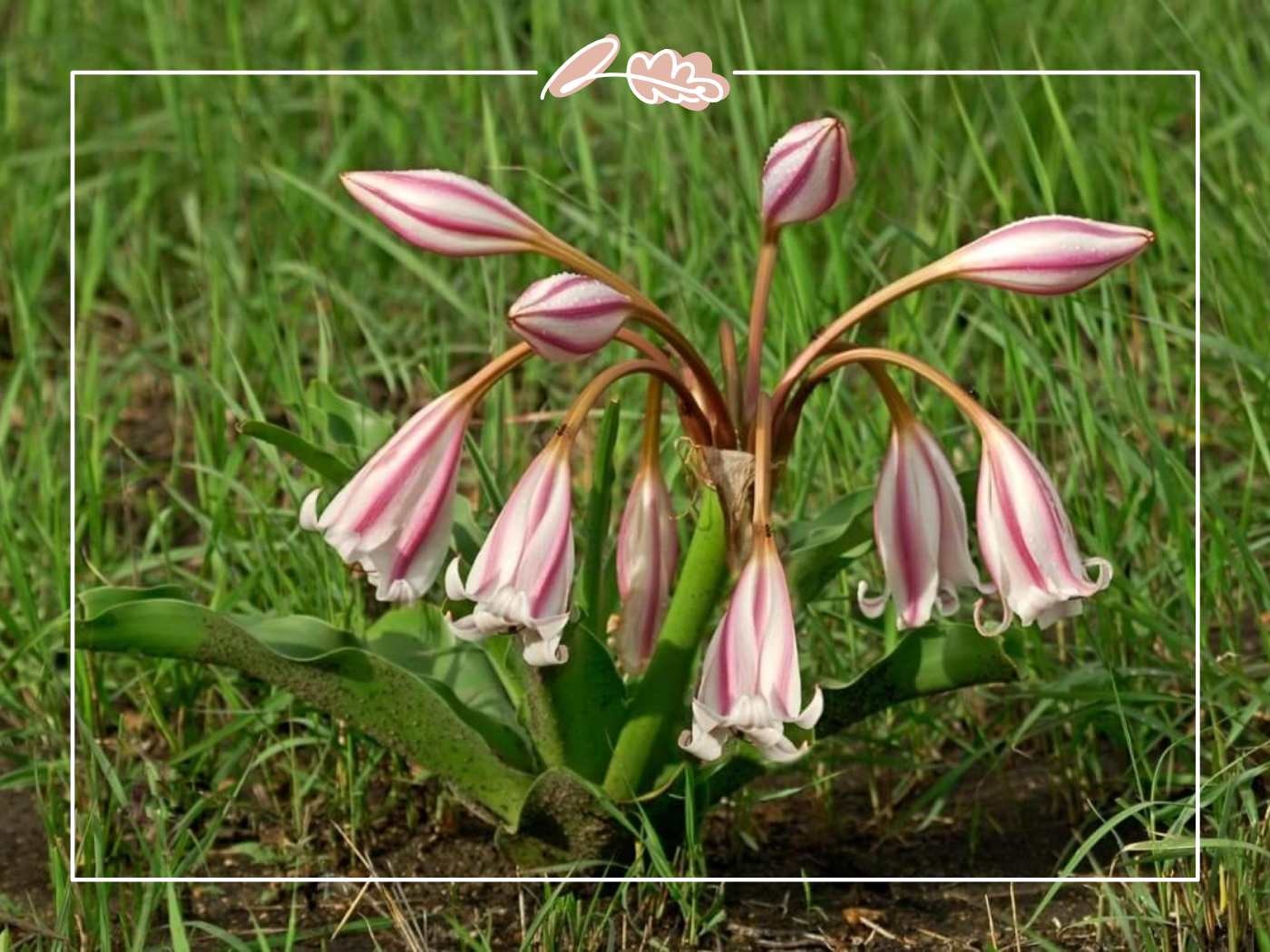
Bell-shaped and pendant flowers are a captivating feature of many South African indigenous plants, instantly recognisable by their drooping blooms with flared mouths or tubular bases. In fynbos and bulb-rich areas, genera such as Lachenalia, Lapiedra and several geophytes in the amaryllis family produce dainty bell-like flowers that carpet rocky slopes and sandy flats after winter rains. These blooms add a touch of delicacy and charm to both wild landscapes and cultivated rock gardens.
Some South African bulbs and shrubs with bell-like or nodding flowers, including certain Erica species and smaller amaryllids, are well adapted to winter-rainfall climates and poor soils, making them ideal for water-wise planting schemes. These flowers not only enhance visual appeal but also support specialised pollinators, such as sunbirds, bees, and moths, that are adapted to their shapes and nectar rewards.
Colourful Blooms
South Africa is renowned for its dazzling array of colourful blooms, with flowering plants that burst into vibrant carpets of colour across the landscape in spring and early summer. These flowers vary in shape and size, from bold, architectural inflorescences to small, intricate daisies, creating a vibrant display that enlivens natural veld and urban gardens alike. Colourful blooms are not only a feast for the eyes but also serve as magnets for butterflies, birds, and bees, supporting the region’s rich biodiversity.
Many South African flowering ground covers and annuals thrive in sunny spots with well-drained soil, resulting in vibrant blooming displays. The king protea, South Africa’s national flower, is a prime example of the country’s spectacular flora, with large, pale pink to deep crimson flower heads symbolising resilience and beauty. Pineapple flowers (Eucomis species), with their rosettes of leaves and bottlebrush-like flower spikes topped by a tuft of bracts, add an exotic flair to garden beds and borders. Tubular flowers, common in many southern African shrubs such as wild dagga (Leonotis leonurus), offer a striking silhouette and are especially attractive to nectar-feeding pollinators.
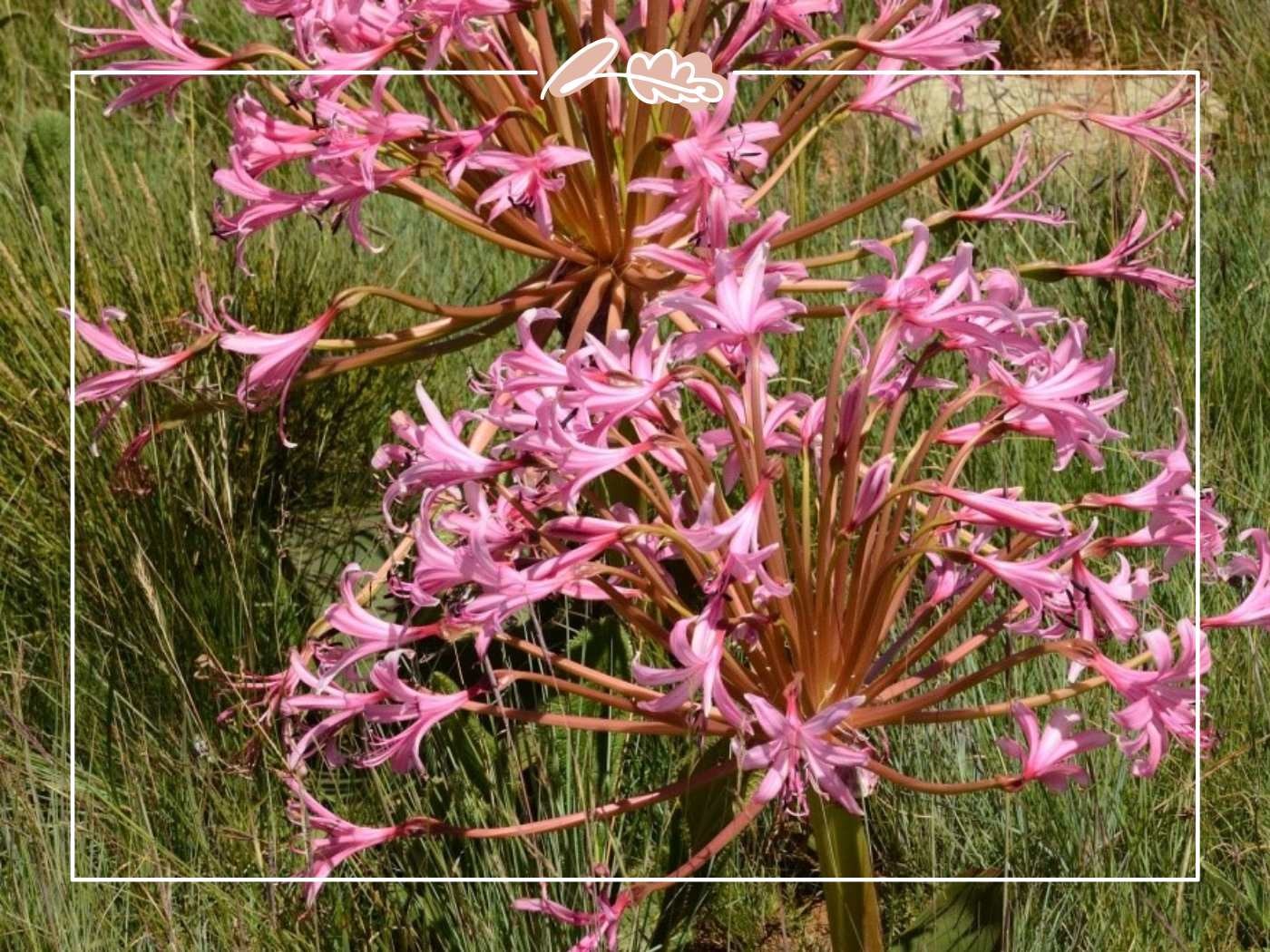
The candelabra flower form of some amaryllis-type bulbs, including Brunsvigia and Ammocharis species, provides another show-stopping seasonal display in suitable regions. These indigenous plants are well suited to sunny, well-drained sites and are prized for their ability to thrive under challenging conditions, making them ideal for gardeners seeking both colour and drought tolerance.
White blooms, such as those found on petunias, begonias, and azaleas, add ornamental appeal and versatility to South African gardens. Associated with elegance, white blooms are suitable for a variety of garden settings and can provide year-round interest in some cases.
By incorporating South Africa’s colourful blooms into your garden or floral arrangements, you create a lively and cheerful atmosphere while contributing to the conservation of indigenous plants and the wildlife they support.
Iconic South African Flower Species
From the proteoid giants of the Cape to the tropical exuberance of coastal forests, South Africa’s signature flowers represent centuries of evolutionary refinement and decades of horticultural development. Wild flowers play a significant role in regional botanical displays and are a natural spectacle that attracts travellers from around the world. Many of these iconic species are celebrated for their vivid colours, which create striking focal points in gardens and floral arrangements.
A unique example is the so-called pyjama flower and other inconspicuous geophytes that bloom at ground level between July and September in winter-rainfall regions, contributing to the extraordinary bulb diversity of areas such as Nieuwoudtville. Despite their subtle appearance, these bulbs are a distinctive part of the region’s floral diversity and attract specialist pollinators.
The kudu lily (Pachypodium lealii) and related succulent shrubs with thick stems and finger-like branches create architectural interest in semi-arid landscapes when they bloom in late summer and autumn. Among notable shrubs, river vernonia stands out as a bushy shrub with broad, oval leaves with wavy margins and pale lilac flowers that bloom seasonally. Many species of proteas are the flagship cut flowers of South Africa and are renowned for their large, showy flower heads composed of numerous small florets surrounded by colourful bracts. Their dramatic forms and hues make them favourites for both local and international floral markets.
Gerbera daisies, derived from wild species native to South Africa, such as Gerbera jamesonii, are widely cultivated for their bright, cheerful blooms in a wide range of colours. Their popularity in gardens and as cut flowers attests to their versatility and visual appeal. Bird of paradise flowers (Strelitzia reginae) are popular in both domestic and commercial markets for their distinctive bird-like shape and long-lasting blooms, making them staples in tropical-style floral displays.
Alstroemeria, commonly known as the Peruvian lily, is widely grown in South Africa and appreciated for its delicate, lily-like flowers that come in many colours and last well in the vase. Many flowering plants in South Africa, such as butterfly bushes and zinnias, produce nectar-rich flowers that attract butterflies, supporting pollinators and enhancing garden biodiversity.
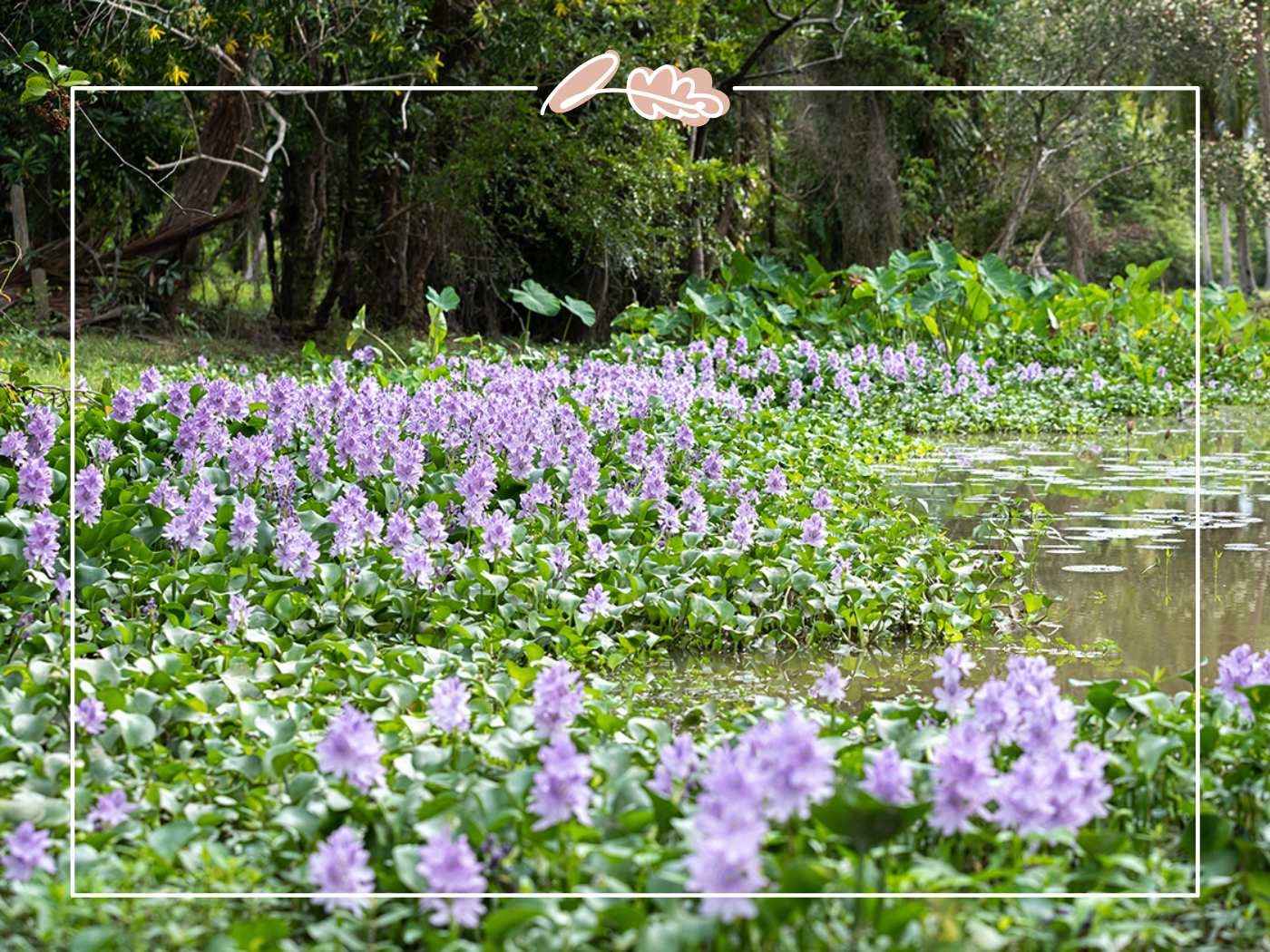
Water hyacinth is an example of an aquatic plant found in South Africa, recognised for its large fleshy green leaves, swollen petiole, and striking mauve flowers. It thrives in aquatic environments and is notable for its rapid growth and distinctive appearance.
Proteas – The King Protea, South Africa’s National Flower
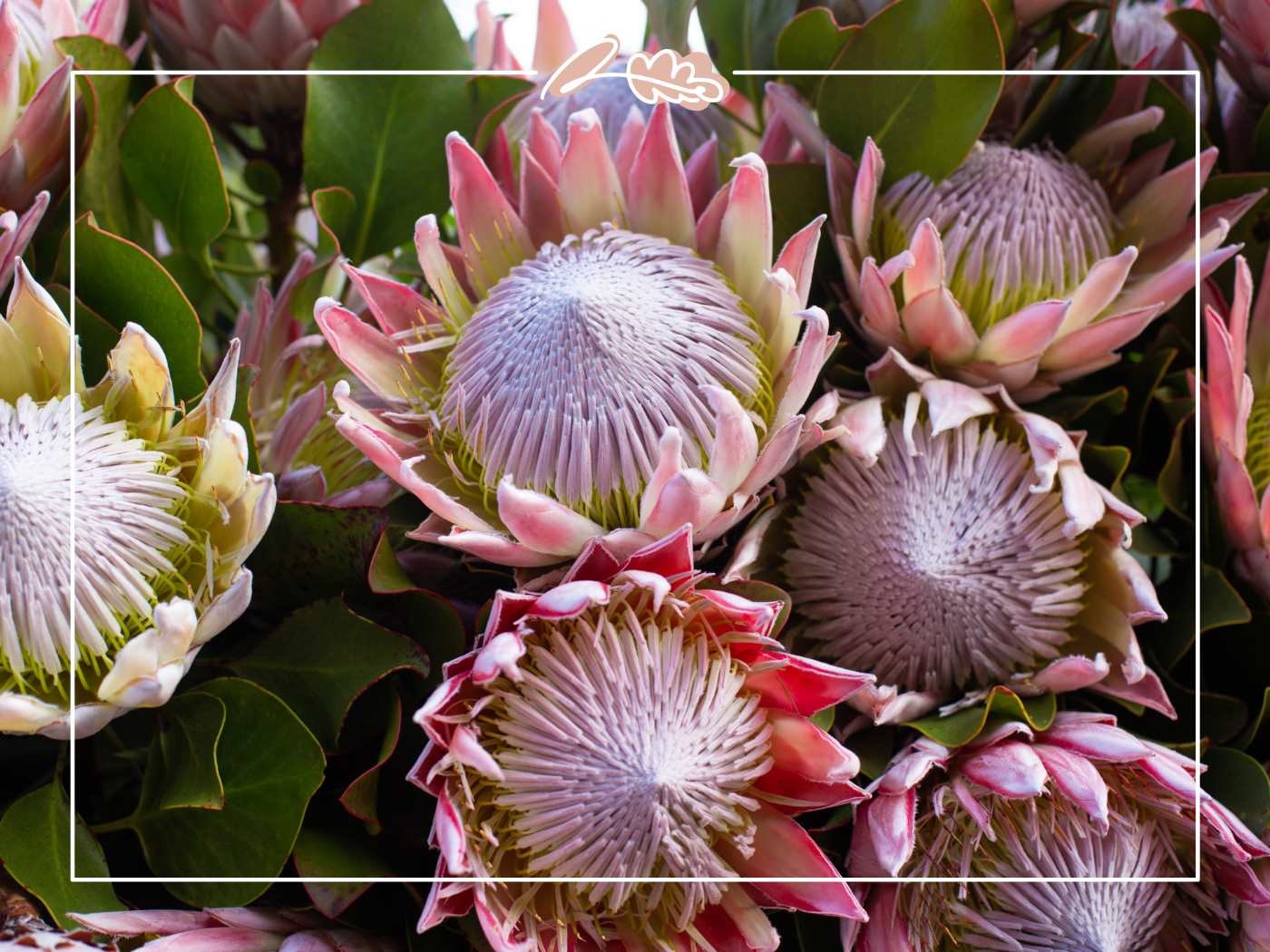
The king protea (*Protea cynaroides*) is South Africa’s national flower and one of the most recognisable symbols of the country’s flora. This evergreen shrub produces massive, dome-shaped flower heads that can reach 25–30 cm across, with pale pink to deep crimson bracts surrounding a central cone of florets and glossy dark green leaves. Native to the southwestern and southern Cape mountains, king proteas demonstrate remarkable drought tolerance and resilience on nutrient-poor, acidic, sandy soils.
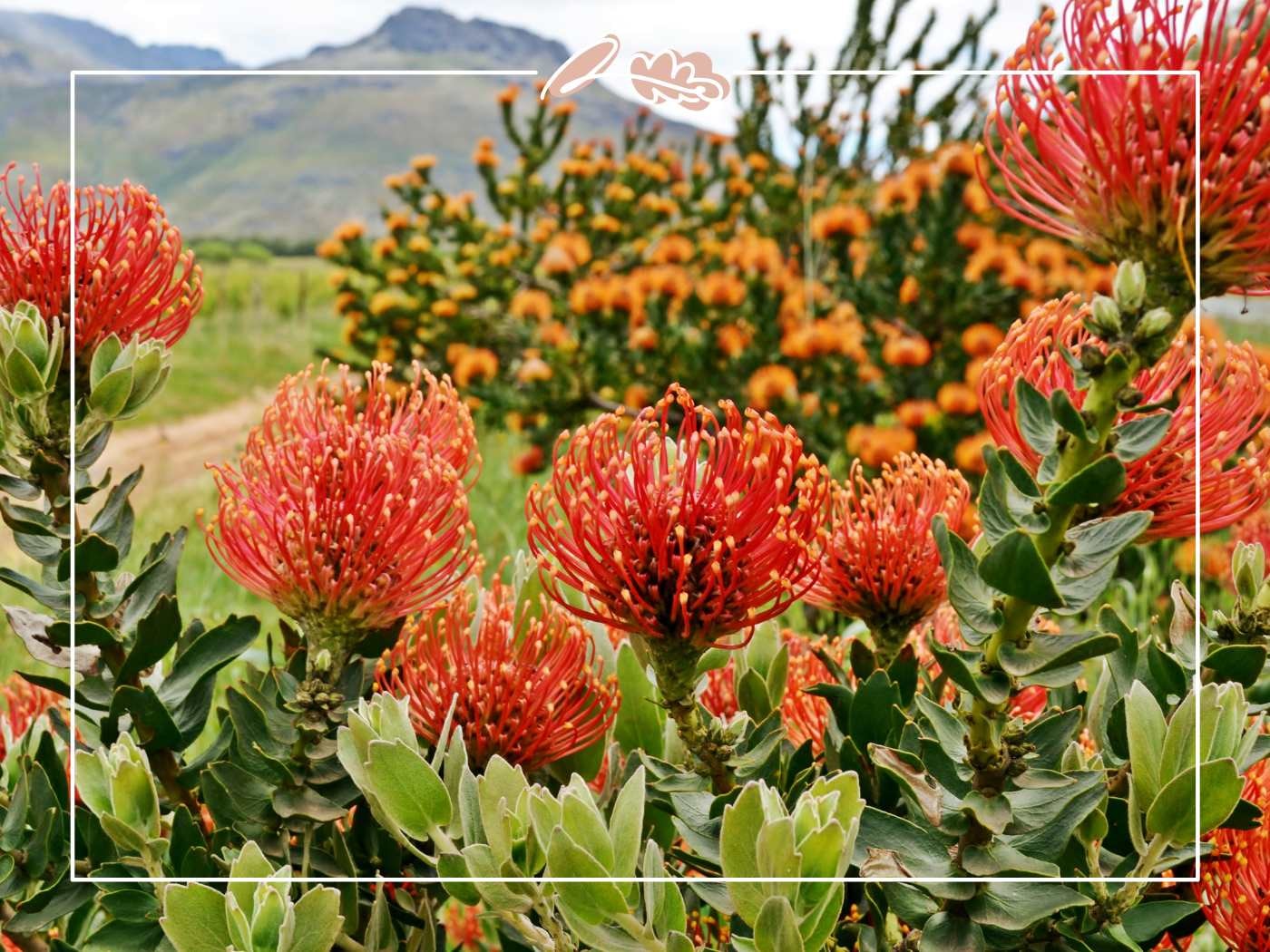
Pincushion proteas (*Leucospermum* species) complement their larger cousins with elongated flower heads that resemble pins stuck into a cushion, hence their common name. These shrubs attract pollinators, including sunbirds and sugarbirds, with nectar-rich tubular flowers in orange, yellow, and red tones. The candelabra-like inflorescences of certain Brunsvigia species add architectural drama to both wild landscapes and cultivated gardens, often flowering en masse after autumn rains.
For florists, proteas offer unmatched longevity. Their woody stems and slow-drying flower heads ensure blooms that can remain attractive for weeks, and they also dry beautifully for long-lasting arrangements.
Bring the national flower home.
Shop protea bouquetsSame-day in Cape Town and Joburg, order by 12pm. Gift boxes nationwide in 2 to 4 days.
Strelitzia – Bird of Paradise
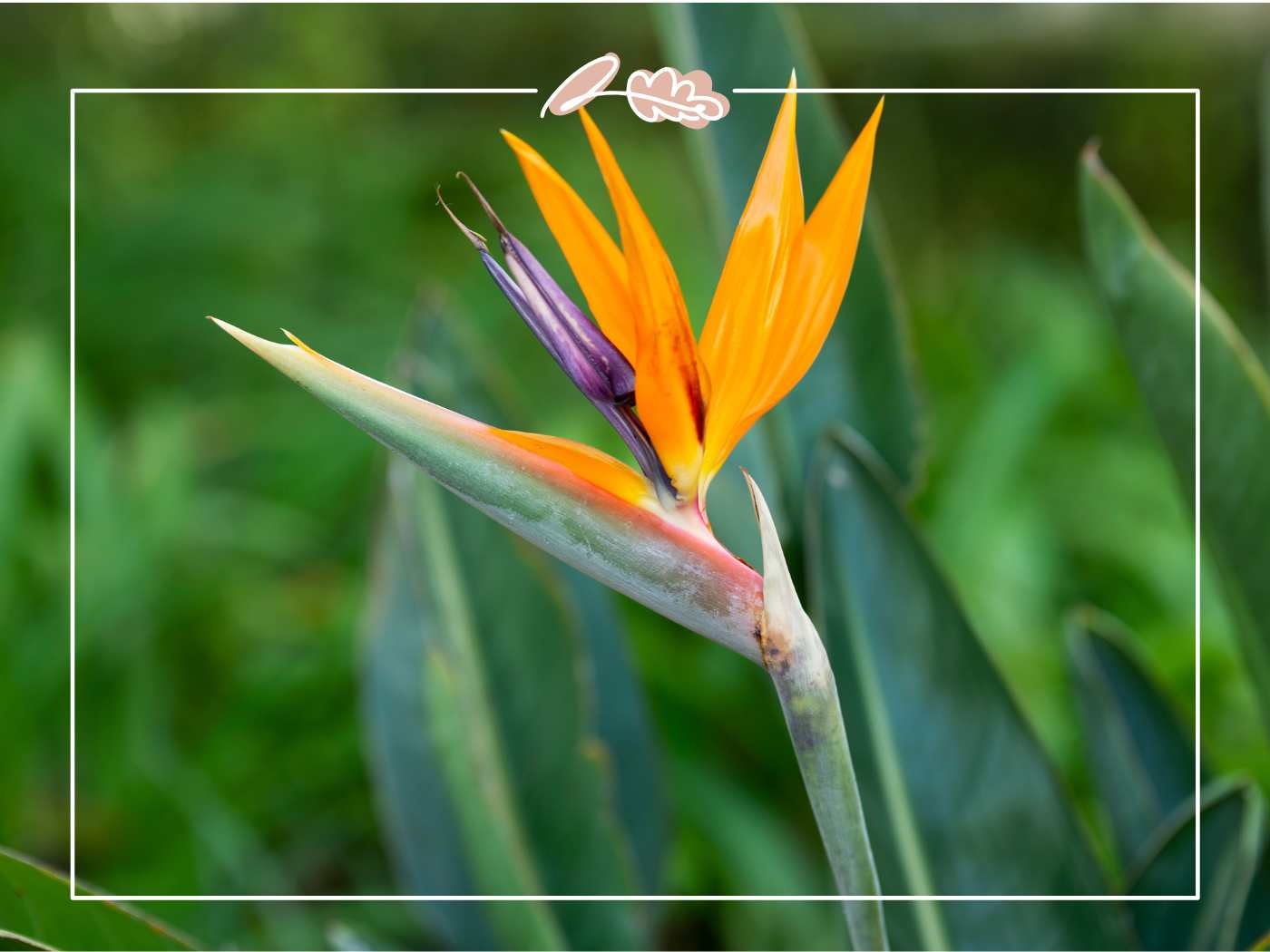
Strelitzia reginae, commonly called bird of paradise, produces one of the world’s most recognisable flower forms with vivid orange and blue petals that mimic tropical birds in flight. Large, banana-like leaves emerge from a fleshy rhizome, making it a bold foliage plant even when not in bloom. Indigenous to eastern coastal regions of South Africa, this species has been widely cultivated in subtropical gardens worldwide while remaining distinctly South African in origin.
The white bird of paradise (*Strelitzia nicolai*) can reach 6 m in height in coastal forests and gardens, forming clumps of trunk-like stems topped with fan-shaped leaves and white, blue-tinged flowers. Despite appearing tree-like, this species remains herbaceous at its base and responds well to rich, well-drained soils and regular moisture in frost-free climates. Both varieties thrive in full sun to partial shade and have become staples in tropical and luxury floral designs.
Gerbera Daisies and Calla Lilies
The Barberton daisy (*Gerbera jamesonii*) originates from South Africa’s Mpumalanga province, particularly the area around Barberton where it was first collected. Modern hybrids derived from this species now produce flowers in virtually every colour except blue, and they underpin a major global cut-flower industry. Their strong stems and large blooms make them ideal for bright, contemporary arrangements and long-lasting vase displays.[5]
Zantedeschia species, commonly called calla lilies, produce elegant, funnel-shaped blooms from thick rhizomes and thrive in moist but well-drained soils. White callas are classic choices for weddings and formal events, while South African breeders have developed yellow, pink, and deep purple cultivars that command premium prices in the floral trade. Their sculptural form and glossy foliage make them favourites for both container gardening and mixed borders.[5]
Wildflowers and Natives: Mountain Aloe and Other Indigenous Beauties
South Africa’s wildflowers and indigenous plants are a testament to the country’s extraordinary biodiversity, offering gardeners and nature lovers a vibrant palette of shapes, colors, and fragrances. From the sun-drenched slopes of the Cape Floristic Region to rocky outcrops and lush cottage gardens, these native species bring a unique sense of place and resilience to any outdoor space.
One of the most iconic indigenous plants is the Mountain Aloe (Aloe marlothii), a striking succulent shrub that lights up the landscape with its bold, red hot poker-like flower spikes during the height of summer heat. These stunning flowers, which range from fiery red to orange, are a magnet for pollinators and thrive in full sun and rocky soils, making them a favorite for drought-tolerant garden beds and border edges.
Equally captivating is the Wild Dagga (Leonotis leonurus), a perennial herb celebrated for its vivid orange tubular flowers and aromatic foliage. Not only do these cheerful blooms add a splash of color to garden beds and hanging baskets, but they also attract butterflies and sunbirds, supporting local biodiversity. Wild Dagga is renowned for its medicinal properties and is a staple in traditional South African remedies.
The King Protea (Protea cynaroides), South Africa’s national flower, stands as a symbol of the country’s floral heritage. With its massive, crown-shaped flower heads in shades of pale pink and white, this exquisite flower thrives in full sun and well-drained soil, displaying remarkable drought tolerance. Its architectural form and long-lasting blooms make it a showstopper in both wild landscapes and cultivated gardens.
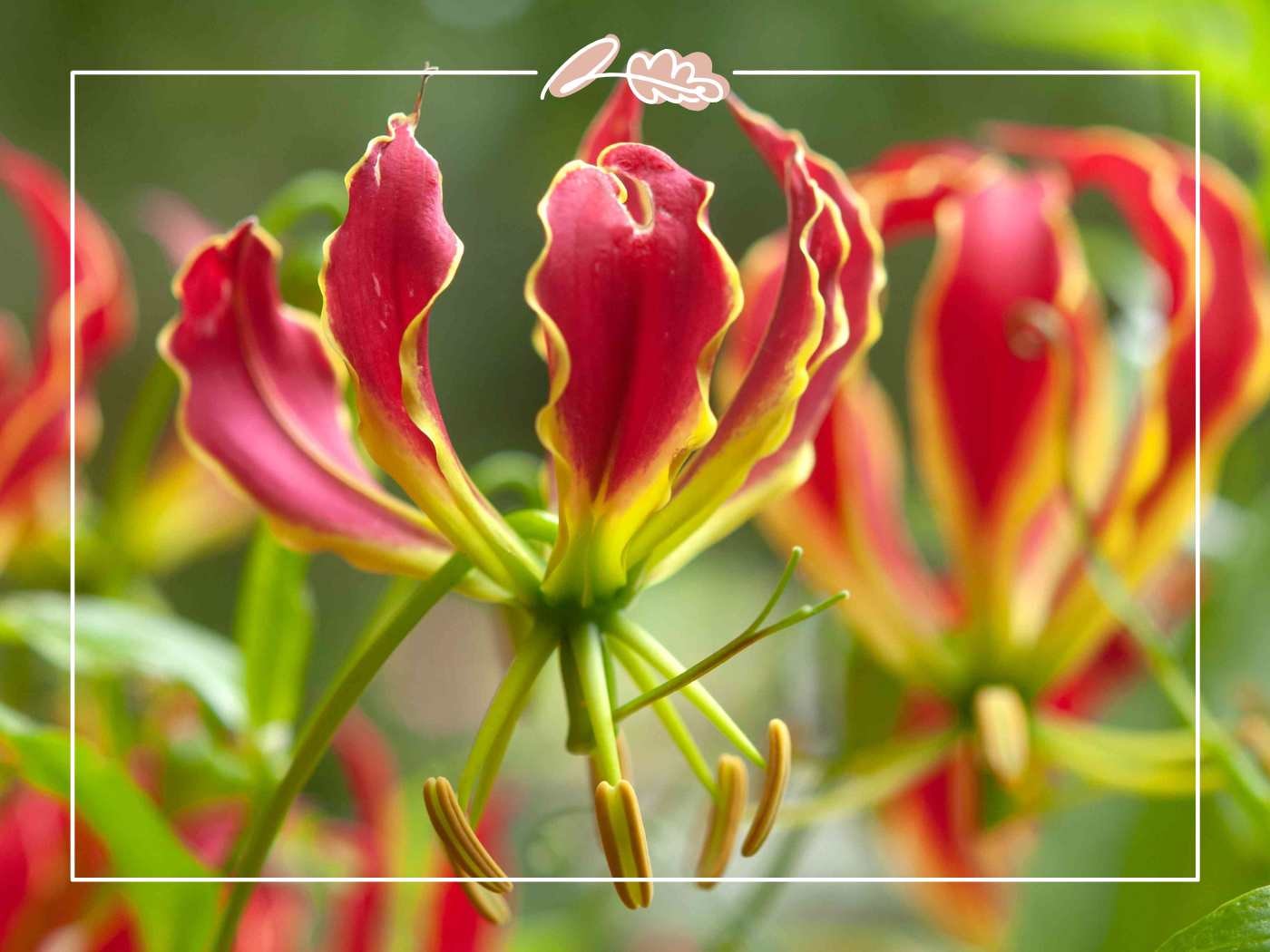
For those seeking to attract butterflies and bees, the African Flame Lily (Gloriosa rothschildiana) is a must-have. This perennial herb dazzles with its trumpet-shaped blooms in vibrant reds and oranges, creating a dramatic, vibrant display in partial shade and moist soil. Its long-lasting flowers are perfect for adding a touch of the exotic to garden beds or containers.
The Leopard Orchid (Ansellia africana) is another indigenous gem, found throughout southern Africa. This epiphytic orchid produces clusters of white or yellow flowers adorned with purple or brown markings, creating a vibrant display that is both exotic and resilient. Preferring full sun and well-drained soil, the Leopard Orchid is prized for its drought tolerance and striking appearance.
Late autumn brings the delicate Pyjama Flower (Babiana pygmaea), which carpets the ground with bell shaped flowers in soft pinks and whites. These perennial herbs are well-suited to full sun and well-drained soils, making them a charming addition to garden beds and hanging baskets, where their long-lasting, fragrant flowers can be enjoyed up close.
The whimsical Pineapple Flower (Eucomis bicolour) is another South African native that delights with its bottlebrush spikes of white or pink flowers, topped with a tuft of leafy bracts reminiscent of a pineapple. Thriving in partial shade and moist soil, these perennial herbs offer a vibrant display and are valued for their long-lasting blooms in both borders and containers.
For a burst of sunny colour, the Sweet Prickly Pear (Opuntia aurantiaca) is a succulent shrub that produces cheerful yellow flowers shaped like classic cactus blooms. Its drought tolerance and preference for full sun and well-drained soil make it a low-maintenance choice for xeriscapes and rock gardens.
The Blood Lily (Haemanthus spp.) is renowned for its dramatic, trumpet-shaped blooms in shades of red and orange. These perennial herbs thrive in partial shade and moist soil, offering a vibrant display of flowers that are both eye-catching and long-lasting.
The Candelabra Flower (Brunsvigia josephinae) is a true spectacle, sending up tall flowering stems topped with clusters of pink or white flowers arranged like a candelabra. These stunning blooms appear in full sun and well-drained soil, where their drought tolerance and architectural form make them a highlight of late summer and autumn gardens.
Wild Hibiscus (Hibiscus sabdariffa) brings a tropical flair with its large, pink or white flowers. This perennial herb flourishes in full sun and well-drained soil, producing vibrant blooms that are as attractive to pollinators as they are to gardeners.
As early spring arrives, the Rock Aloe (Aloe striatula) bursts into bloom with candle-like spikes of red or orange flowers. This succulent shrub is perfectly adapted to full sun and rocky outcrops, offering vivid colours and fragrant flowers that brighten up garden beds and hanging baskets.
The Huge Bulb (Eucomis comosa) is another showstopper, with its pineapple-shaped spikes of white or pink flowers. Thriving in partial shade and moist soil, this perennial herb provides a long-lasting, vibrant display that is perfect for mixed borders.
The Fleshy Rhizome (Albuca setosa) is a perennial herb that produces star shaped flowers in yellow or white. Its drought tolerance and preference for full sun and well-drained soil make it a reliable choice for gardeners seeking low-maintenance, indigenous plants with a unique look.
Returning to the Mountain Aloe, its candle-like red or orange blooms and robust, succulent form make it a standout in any South African garden, especially in full sun and rocky settings where drought tolerance is essential.
The Swollen Petiole (Cyrtanthus obrienii) is a perennial herb with striking, trumpet shaped blooms in red or orange. Preferring partial shade and moist soil, it offers long-lasting, vibrant flowers that add a touch of drama to shaded garden corners.
Wavy Margins (Babiana ringens) is another indigenous perennial, known for its bell shaped flowers in pink or white. Thriving in full sun and well-drained soil, it is valued for its drought tolerance and vibrant display of blooms.
The Glossy Leaves (Plectranthus neochilus) is a perennial herb with aromatic foliage and spikes of purple or white flowers shaped like lips. It thrives in partial shade and moist soil, providing long-lasting blooms and a pleasant fragrance that enhances any outdoor space.
In early spring, the Wild Foxglove (Digitalis purpurea) emerges with tall spikes of tubular flowers in shades of purple and white. These fragrant flowers are ideal for cottage gardens, thriving in partial shade and moist soil, and their stately presence adds elegance and vertical interest to any planting scheme.
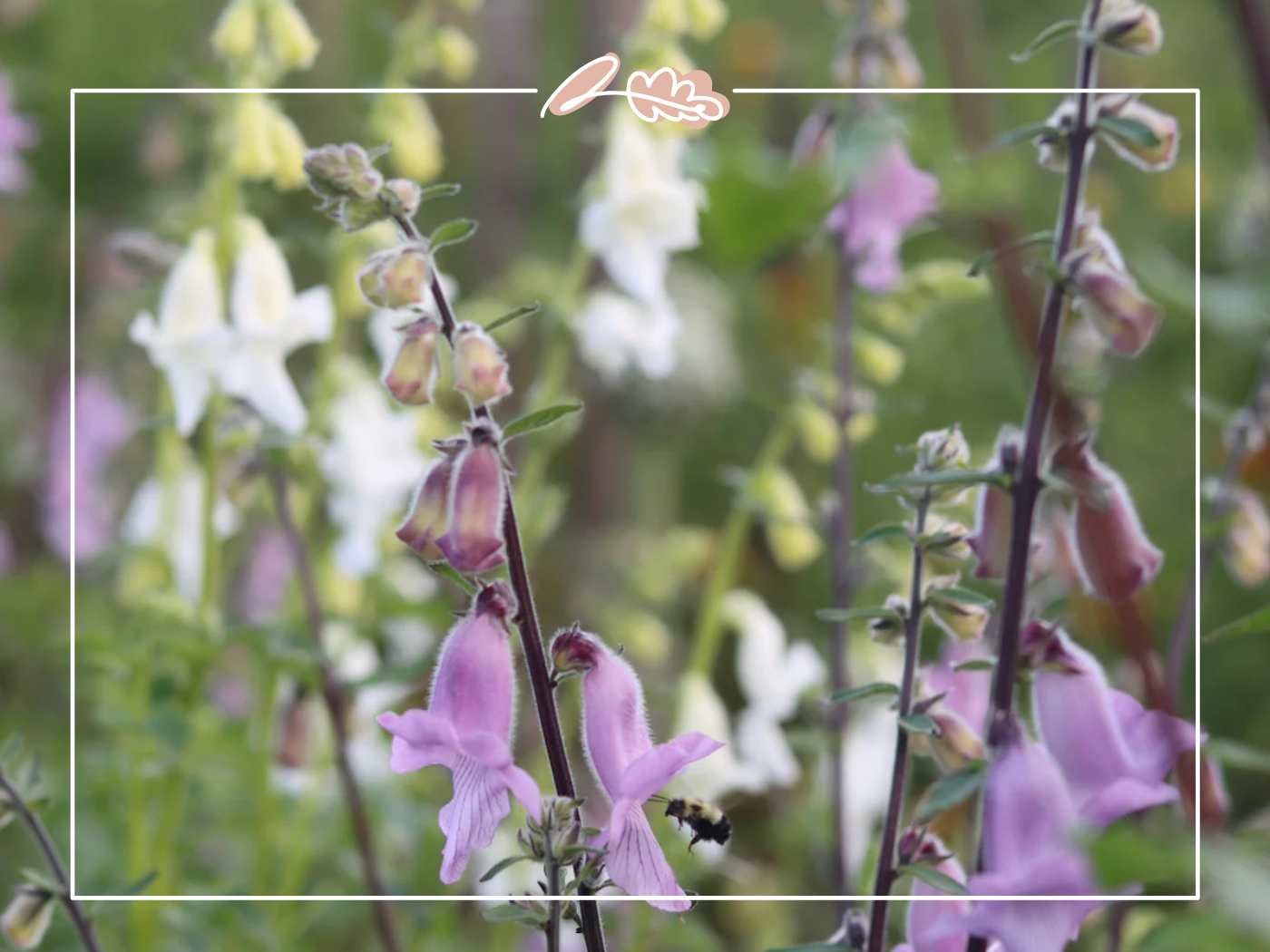
Finally, Semi-Shade specialists like Impatiens niamniamensis offer a burst of color with their unique, tubular flowers, thriving in the dappled light of woodland gardens and shaded borders.
By incorporating these wildflowers and indigenous beauties into your garden, you not only create a vibrant display of stunning flowers and cheerful blooms but also support local biodiversity and celebrate the rich botanical heritage of South Africa. Whether you’re drawn to bell-shaped flowers, yellow flowers, fragrant flowers, or the architectural drama of the pineapple flower and candelabra flower, South Africa’s native flora offers endless inspiration for every gardener and nature enthusiast.
Regional Flowers and Seasonal Availability
South Africa’s geographic diversity, spanning roughly 30 degrees of latitude with elevations from sea level to over 3,000 m, creates distinct flowering regions with staggered blooming periods. The country is renowned for its spectacular wildflowers, which form natural, seasonal displays that attract tourists and nature enthusiasts worldwide. The best time to see mass wildflower displays in the winter-rainfall regions is from late August to the end of September, although exact timing depends heavily on winter rains and temperature patterns.
Namaqualand Spring Spectacular
From late August through September, Namaqualand transforms into one of Earth’s most extraordinary floral displays as winter rains trigger the germination and flowering of annual daisies and other wildflowers. The semi-arid landscape erupts in orange, yellow, white, and purple carpets that draw visitors from every continent. For the most vibrant displays, the best time to view wildflowers is generally between late morning and mid-afternoon, when the flowers are fully open and facing the sun.
Peak blooming groups include:
- African daisies (*Arctotis* and Dimorphotheca) – Silver-foliaged or ground-hugging plants with vivid orange, yellow, and white flowers.
- Mesembryanthemums (vygies) – Succulent groundcovers opening star-shaped flowers in midday sun in shades from magenta to orange.
- Oxalis species – Yellow and pink flowers carpeting rocky slopes and disturbed ground in early spring.
- Nemesia and other annuals – Fragrant flowers in white, purple, and bicolour combinations in damper patches and road verges.
This wildflower tourism generates substantial economic value for rural communities while highlighting the conservation importance of protecting natural flowering cycles and preventing over-development.[4]
Year-Round Commercial Production
You can keep your table, but here’s an SEO-clean version you can mark up with schema if you like:
|
Flower Type |
Peak Season |
Primary Growing Region |
|---|---|---|
|
King Protea |
Late autumn to early spring |
Western Cape highlands |
|
Bird of Paradise |
Year-round (peaks in warm months) |
KwaZulu-Natal and Eastern Cape coast |
|
Gerbera Daisies |
Spring through autumn |
Mpumalanga and protected cultivation |
|
Calla Lilies |
Late spring to early autumn |
Eastern Cape and cool, moist regions |
|
Agapanthus |
Summer |
Multiple regions (gardens, landscapes) |
|
Pincushions |
Winter to spring |
Cape Floristic Region |
Commercial growers extend seasonal availability through controlled environments and variety selection, but flowers bloom most abundantly and with best quality when aligned with natural cycles. Understanding these patterns helps florists plan seasonal arrangements around a reliable, locally appropriate supply.
Seasonal Care Requirements
Spring (September–November)
Spring marks the main growing season in much of South Africa as temperatures rise and soil moisture remains relatively high. This is the ideal time to establish new plantings of proteas and indigenous perennials before summer heat intensifies. Red hot pokers (Kniphofia species) send up tall flowering stems that support the vibrant flower spikes, with the flowering stem playing a key role in holding the flower heads aloft and contributing to the plant's striking blooming appearance during summer. Blood lilies (Haemanthus and related genera) also produce dramatic inflorescences as days lengthen.
Summer (December–February)
Water management becomes critical in summer, especially in Mediterranean-climate regions where rainfall is low and evaporation rates are high. Many fynbos species enter semi-dormancy during peak heat, requiring minimal irrigation and excellent drainage to prevent root rot. Agapanthus africanus produces blue and white umbels throughout this period, while pineapple flowers (Eucomis species) display unusual, broad leaves and bottlebrush flower spikes. Some South African plants thrive in semi-shade, making them ideal for partially shaded garden areas and courtyards.
Autumn (March–May)
Spent blooms should be removed to encourage next season’s growth and to reduce disease pressure. Late autumn brings renewed vigour to many Mediterranean-type species as temperatures drop and rainfall increases. The African flame lily and various bulbs with recurved petals flower before winter dormancy, adding late-season colour.
Winter (June–August)
The Cape’s rainy season supports active growth for many Mediterranean-climate species while summer-rainfall regions experience relative dormancy. Mountain aloes and rock aloes produce cheerful winter blooms that attract bees, birds, and other pollinators during a period of reduced flowering elsewhere in the landscape. In frost-free coastal zones, species such as Strelitzia and some proteas continue to flower through winter.
Common Challenges and Solutions
Water Management in Drought Conditions
Fynbos species evolved under seasonal drought conditions and more often suffer from overwatering than from underwatering in cultivation. Select drought-tolerant shrubs like plumbago (*Plumbago auriculata*), a bushy plant that produces cascading blue flower heads in full sun or partial shade with minimal irrigation once established. Succulents, including jade plant (*Crassula ovata*) and Opuntia species, demonstrate extreme drought tolerance through water-storing stems and pads.
For cottage gardens with limited irrigation, wild dagga (*Leonotis leonurus*) produces striking orange tubular flowers that support sunbirds while thriving mainly on natural rainfall. Grouping plants with similar water needs and using mulch to reduce evaporation can greatly improve success with indigenous species.
Soil Requirements and Nutrition
Proteaceae species require well-drained, acidic, phosphorus-poor soils, and excess phosphorus can cause toxicity and decline. Avoid standard high-phosphate fertilisers near proteas, pincushions, and Leucadendron species, instead using low-phosphorus, acid-forming products designed for acid-loving plants. For species like leopard orchid (*Ansellia africana*) and wild foxglove (*Ceratotheca triloba*), well-aerated soil enriched with modest amounts of organic matter improves structure without introducing problematic nutrient levels.
The perennial herb society garlic (*Tulbaghia violacea*) tolerates various soil types and produces fragrant lilac-pink flowers with aromatic foliage, making it attractive for borders and edible-ornamental plantings. Incorporating coarse sand or gravel into heavy soils can improve drainage for bulbs and fynbos shrubs.
Seasonal Availability for Florists
Florists planning with South African flowers benefit from aligning designs with natural blooming cycles rather than forcing out-of-season availability. During peak protea season (roughly late autumn through spring in the Cape), locally grown stems offer maximum vase life and lower transport impacts. When faded blooms indicate the end of natural availability, designers can transition to dried arrangements that showcase proteas’ sculptural qualities.
Many South African species are now grown commercially in regions with similar climates, such as parts of Australia, California, and Mediterranean Europe, extending global availability and enabling year-round export markets. However, authenticity, freshness, and lower carbon footprints often favour directly sourcing seasonally appropriate stems from South African growers when planning around specific events.
Read more about Spring Flowers South Africa.
Send South African flowers from Fabulous Flowers. You do not have to travel to the Cape to enjoy these blooms. From our Claremont studio we hand-tie proteas and protea bouquets, bright gerbera daisies, elegant arum and St Joseph lilies, lily bouquets, orchids and cheerful sunflowers. Browse the full Fabulous Flowers range for same-day delivery in Cape Town and Joburg when you order before 12pm, or nationwide gift boxes in 2 to 4 days.
Conclusion and Next Steps
From our Cape Town studio to your door.
Browse our flowersSame-day in Cape Town and Joburg, order by 12pm. Gift boxes nationwide in 2 to 4 days.
South Africa’s floral heritage represents millions of years of evolutionary innovation compressed into a relatively small geographic area. From the architectural king protea to delicate bell-like bulbs and from vast Namaqualand daisy fields to coastal forests of Strelitzia, this diversity offers inexhaustible inspiration for gardeners, florists, and conservation advocates.
Immediate actions to explore South African flowers:
-
Visit a botanical garden featuring fynbos collections, Kirstenbosch National Botanical Garden is world-renowned for showcasing the Cape flora.
-
Source indigenous plants from specialist nurseries, prioritising sustainably grown material and avoiding illegal wild collection.
-
Plan garden beds featuring drought-tolerant South African species suited to your climate and soil.
-
Support florists committed to sustainably harvested proteas and certified native cut flowers.
-
Explore hanging baskets and containers featuring trailing South African species like Diascia and other small fynbos perennials.
Conservation efforts deserve particular attention as habitat loss, invasive species, and climate change threaten many endemic species. Climate projections suggest some fynbos communities may shift upslope or contract, potentially favouring invasive plants over delicate endemics without concerted management. Supporting organisations like the South African National Biodiversity Institute and conservation NGOs operating in the Cape Floristic Region contributes directly to the protection of irreplaceable floral resources.
Related topics worth exploring include indigenous garden design principles, sustainable floriculture certification, and the medicinal properties of traditional South African plants.
Frequently Asked Questions
What is South Africa's national flower?
South Africa's national flower is the king protea (Protea cynaroides), a large, dome-shaped bloom native to the Cape mountains. It is the flagship of the country's protea family and a symbol of resilience.
What flowers are indigenous to South Africa?
Indigenous South African flowers include proteas and pincushions, gerbera (Barberton) daisies, strelitzia (bird of paradise), arum and St Joseph lilies, aloes, agapanthus, nerines and thousands of fynbos species found nowhere else on Earth.
Can I buy or send South African flowers online?
Yes. Fabulous Flowers has hand-tied indigenous blooms since 1999. Browse our protea bouquets and wider flower range. We deliver same-day across Cape Town and Joburg when you order before 12pm, and ship gift boxes nationwide in 2 to 4 days.
When do South African flowers bloom?
Namaqualand's famous daisy carpets peak from late August to September. Proteas flower mainly from late autumn through spring, while strelitzia and many garden species bloom through the warmer months.
What is fynbos?
Fynbos is the fine-leaved shrubland of the Cape Floristic Region, made up of proteas, ericas (heaths) and restios. It is one of the world's six floral kingdoms and holds around 9,000 plant species, roughly 70% of them endemic.
How long do proteas last as cut flowers?
Proteas are exceptionally long-lasting. Their woody stems and slow-drying heads keep protea bouquets looking beautiful for two to three weeks, and they dry well for lasting arrangements afterwards.
Additional Resources
- South African National Biodiversity Institute (SANBI) – national botanical gardens, PlantZAfrica species accounts, and vegetation information: https://www.sanbi.org
- Kirstenbosch National Botanical Garden – flagship garden for fynbos and Cape flora, including conservatory displays: https://www.sanbi.org/gardens/kirstenbosch
Seasonal wildflower viewing:
- Namaqualand and Namaqua National Park (Northern Cape wild flower route): https://www.southafrica.net/gl/en/
- West Coast National Park and Postberg: regional tourism and flower-season updates.[10]
- Nieuwoudtville (“bulb capital of the world”) and Hantam National Botanical Garden: https://www.southafrica.net/gl/en/
Sustainable floriculture practices:
Look for certification schemes and producer associations that promote sustainable harvesting and cultivation of proteas and other indigenous cut flowers, and consult industry resources on best practice for wild-flower harvesting.